
Finding the Perfect RV for Your Adventures in Oro-Medonte, ON
Finding the Perfect RV for Your Adventures in Oro-Medonte, ON
Posted on May 6, 2026
Choosing the right RV size can completely change how enjoyable your camping experience feels. Whether you are planning quick weekend escapes around Oro-Medonte, ON or longer cross-country trips, the size and type of RV you choose should match your lifestyle. With so many options available, it really comes down to how you camp, who you travel with, and how much comfort you want on the road. Let’s break it down in a simple way so you can confidently choose the right fit.
Start With Your Camping Style
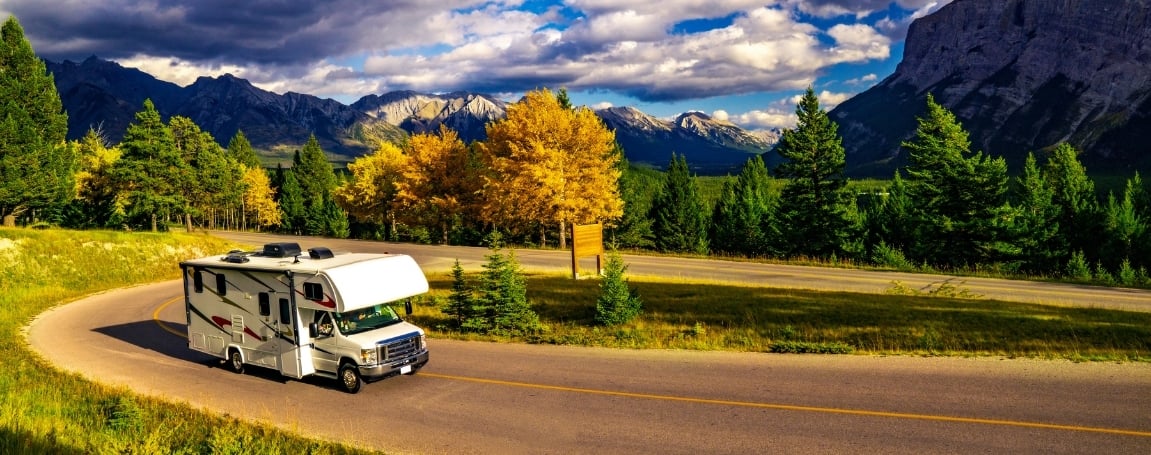
Before looking at sizes or features, think about how you actually plan to use your RV. This makes the decision much easier. If you are a weekend camper, you likely want something easy to drive or tow. You do not need a large setup, just enough comfort to make short trips more enjoyable. Smaller RVs or trailers are often the best fit here.
If you enjoy off-grid camping, your focus should be on self-sufficiency. You will want space for larger water tanks, battery systems, and possibly solar panels. This usually means choosing a mid-size RV with practical storage and power options.
For full-time travellers, space becomes essential. You will need room to live comfortably every day, including a proper kitchen, sleeping area, and storage. Larger RVs are ideal for this kind of lifestyle. Families, on the other hand, should prioritize sleeping space and flexibility. More room for passengers, bunk beds, and storage for gear can make a big difference during longer trips.
Understanding RV Sizes and Types
Once you know your camping style, it becomes easier to match it with the right RV size.
Class A Motorhomes: Maximum Space and Comfort
Class A motorhomes are the largest RVs on the road. They feel more like a home, offering full kitchens, bathrooms, and generous living areas. These are best suited for full-time travellers or larger families who want maximum comfort. However, they do come with trade-offs. They are more expensive, require more fuel, and can be challenging to maneuver, especially in tighter campgrounds.
Class B Motorhomes: Compact and Flexible
Class B motorhomes, often called camper vans, are on the smaller side. They are easy to drive, fuel-efficient, and great for exploring smaller roads or remote areas. They work best for solo travellers or couples who value simplicity and flexibility. The downside is limited space and fewer amenities compared to larger RVs.
Class C Motorhomes: A Balanced Option
Class C motorhomes sit right in the middle. They offer more space than a camper van but are easier to handle than a Class A. Many include an over-cab sleeping area, making them ideal for families or small groups. This type is perfect if you want a balance between comfort and drivability.
Travel Trailers: Versatile and Popular
Travel trailers come in a wide range of sizes, making them one of the most flexible options. You can tow them with an SUV or truck, and once parked, you can detach your vehicle for local driving. They are a great choice for families or weekend campers who want variety without committing to a motorhome.
Fifth-Wheel Trailers: Spacious Towable Living
Fifth-wheel trailers offer a lot of interior space and often include high-end features. They connect to a pickup truck using a special hitch, which provides stability while towing. These are best for longer trips or full-time use, especially if you want a residential-style layout.
Pop-Up Campers: Lightweight and Simple
Pop-up campers are the smallest and most budget-friendly option. They are easy to tow and store, making them perfect for occasional campers. While they offer a more basic setup, they are a great starting point if you are new to RVing.
Key Features to Think About
Size is important, but how you use the space matters just as much. Interior space should match your travel needs. A couple may be comfortable in a smaller setup, while a family will need more room to move around. Amenities also play a big role. Some people want a full kitchen and bathroom, while others are fine with a simpler setup.
Storage is another key factor. If you plan to bring bikes, camping gear, or seasonal items, you will need enough room to carry everything comfortably. If you plan to camp without hookups, look for features that support off-grid travel, like larger tanks and battery systems.
Budget and Long-Term Costs
Your budget will naturally guide your decision. Larger RVs typically cost more upfront and require more fuel and maintenance over time. Smaller RVs and trailers are more affordable and easier to manage. Buying used can also be a smart way to get more value, especially if the RV has been well maintained.
Try Before You Commit
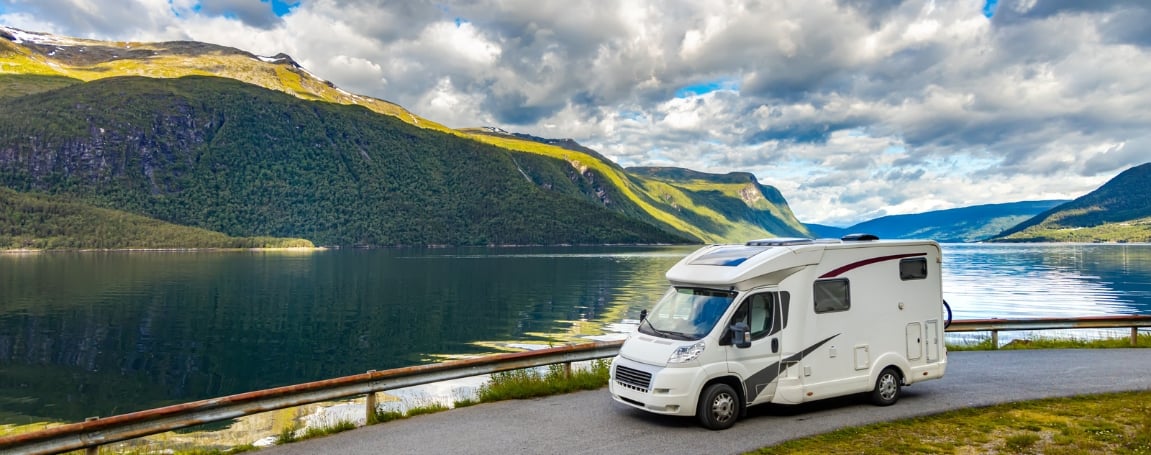
If you are unsure about the size, renting an RV for a weekend trip can help you understand what works best. It is a great way to experience different layouts and driving styles before making a purchase.
Make the Right Choice for Your Lifestyle
Choosing the right RV size is really about matching it to your lifestyle. A smaller RV may give you flexibility and ease, while a larger one offers comfort and space. There is no one-size-fits-all answer, just the option that works best for how you travel.
If you are ready to explore your options, visit The Hitch House in Oro-Medonte, ON. Our team can help you find an RV that fits your camping style perfectly, so you can hit the road with confidence and enjoy every journey ahead.