
How to Spot Suspension Problems Before They Become Serious
How to Spot Suspension Problems Before They Become Serious
Posted on October 1, 2026
Your vehicle's suspension does much more than make the ride comfortable. It helps keep the tires connected to the road, supports the vehicle's weight, and contributes to predictable handling and braking. Because suspension components gradually wear through everyday driving, problems can sometimes develop before they become obvious.
The good news is that your vehicle often gives you warning signs. Knowing what to look and listen for can help you identify potential suspension issues early and have them checked before a small problem becomes a larger repair.
What Does the Suspension System Do?
A vehicle's suspension system includes components such as springs, shock absorbers or struts, control arms, bushings, ball joints, and related hardware. Together, these components help control the movement of the vehicle while maintaining contact between the tires and the road.
The system also has to deal with plenty of stress. Potholes, uneven roads, heavy loads, towing, and repeated impacts can all place additional demands on suspension components. Over time, normal wear can affect how the vehicle rides and handles. You do not need to be a mechanic to notice when something feels different. Paying attention to changes in your vehicle is often the first step.
Pay Attention to How Your Vehicle Rides
One of the easiest signs to notice is a change in ride quality. If your vehicle suddenly feels much bouncier than usual after driving over a bump, the shocks or struts may not be controlling suspension movement as effectively as they should.
A vehicle that continues to bounce after hitting a bump, feels unusually unsettled, or takes longer than expected to return to a stable ride deserves attention. You may also notice more body movement when accelerating, braking, or going around corners.
These changes do not automatically mean that one specific component has failed. Several suspension components can create similar symptoms, which is why a proper inspection is important.
Listen for New or Unusual Noises

Your vehicle can also communicate suspension problems through sounds. A clunk, knock, squeak, or rattling noise when driving over bumps or uneven pavement can indicate that something in the suspension needs to be inspected.
Pay attention to when the sound occurs. Does it happen only over potholes? Does it appear when turning? Does it occur when braking or accelerating? These details can help a technician narrow down the potential source.
Do not ignore a new noise simply because the vehicle continues to drive normally. Suspension components are connected, so allowing a worn part to continue deteriorating can potentially place additional stress on other components.
Look at Your Tires
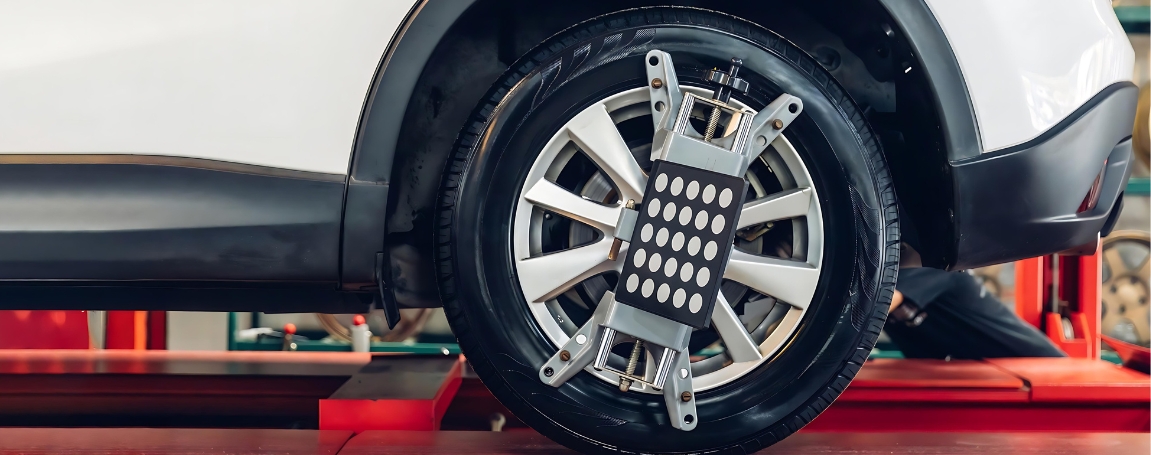
Your tires can provide another useful clue. Uneven or unusual tread wear may indicate that the wheels are not maintaining proper alignment or that worn suspension components are affecting how the tires contact the road.
Look across the tread rather than checking only the overall tread depth. If one section appears to be wearing faster than another, it is worth having the vehicle inspected. Uneven tire wear can also have other causes, including incorrect tire pressure or alignment issues, so a professional diagnosis is the best way to determine what is happening. Regularly checking your tires also gives you an opportunity to notice changes before they become more obvious.
Notice Changes in Steering and Handling
A healthy suspension should help your vehicle feel stable and predictable. If the steering feels loose, the vehicle pulls to one side, or you find yourself making more corrections than usual to maintain your path, it is worth paying attention.
You may also notice excessive body roll when taking corners or a feeling that the vehicle is less composed over uneven roads. These symptoms can have several possible causes, including alignment, steering, tire, or suspension concerns. If the vehicle's behaviour has changed noticeably, arranging an inspection is a sensible next step.
Check for a Vehicle That Sits Unevenly
Take a look at your vehicle when it is parked on a level surface. If one corner appears noticeably lower than another, there could be an issue with a spring or another suspension component.
An uneven stance can sometimes be subtle, so comparing the vehicle from different angles can help. If you regularly carry heavy equipment, cargo, or towing equipment, it is also useful to consider whether the vehicle is simply being loaded unevenly. A professional inspection can determine whether the difference is related to the suspension or something else.
Watch for Fluid Around Shocks or Struts
If your vehicle uses conventional hydraulic shocks or struts, fluid around the outside of the component can be a warning sign. A leaking shock or strut may not immediately change the way the vehicle drives, but it can affect suspension control as the problem progresses.
This is one situation where a visual inspection can be useful, but it is best not to diagnose the component yourself. Suspension parts can be under significant load, and inspection or repair should be left to a qualified technician.
Do Not Ignore Changes When Towing
For drivers who regularly tow, suspension condition deserves particular attention. Added trailer weight changes the demands placed on the vehicle, and a suspension that is already worn may not provide the same level of control and stability under load.
If your vehicle feels different while towing, particularly if it appears to bounce excessively, squat more than expected, or feel less stable, have it inspected. Proper tire pressures, correct loading, and following the vehicle manufacturer's towing recommendations are also important parts of safe towing.
At The Hitch House, towing is part of what we know. Whether you are preparing your vehicle for a trailer, upgrading your towing setup, or simply looking for advice, our team can help you understand the equipment and considerations involved.
Early Attention Can Make a Difference
Suspension problems are not always dramatic at first. Sometimes the warning is simply a new noise, a different ride, unusual tire wear, or a small change in steering feel. These details are easy to dismiss, but they can be useful early indicators that something deserves a closer look.
The best approach is simple: know how your vehicle normally feels, pay attention to changes, and have anything unusual inspected promptly. Catching a suspension concern early may help prevent further wear and keep your vehicle performing as it should.
For drivers in Oro-Medonte, ON, and the surrounding area, The Hitch House is here to help with towing knowledge, equipment, and practical guidance for your next adventure. When your vehicle is showing signs that something is not quite right, getting professional advice is always a smart place to start.