
When to Change RV Oil: Mileage Milestones
When to Change RV Oil: Mileage Milestones
Posted on November 21, 2025
For many RV owners, hitting the open road is a feeling like no other, but to keep those adventures going, regular oil changes are key. Just like your everyday vehicle, your RV’s engine oil needs to be replaced before it breaks down. The big difference? RV engines are larger, often diesel-powered, and used less frequently. That means understanding when to change your oil isn’t just about kilometres, it’s about time, type of engine, and how you use your RV.
Why Oil Changes Matter for RVs
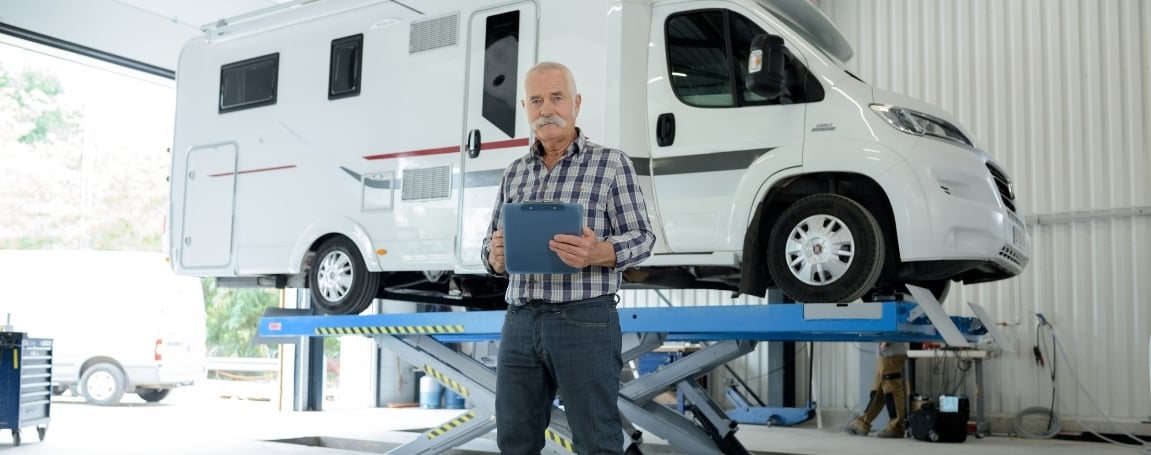
Engine oil is the lifeblood of your motorhome. It keeps the engine lubricated, reduces friction, and carries away heat. Over time, though, it breaks down and loses its ability to protect internal components. Dirty or degraded oil can cause unnecessary wear, reduce efficiency, and even lead to engine failure. Since RVs often sit for months between trips, oil can also collect condensation and contaminants, making timely changes even more important.
Fresh oil starts out a translucent amber colour, but constant heating, cooling, and exposure to exhaust cause it to darken. For diesel engines, this happens faster because soot and carbon particles mix with the oil. While dark oil doesn’t always mean it’s “dirty,” it does signal that the oil has been through a lot of cycles, and it may be time for a change.
How Often Should You Change RV Oil?

Your manufacturer’s guidelines are the best place to start. Most gas-powered motorhomes need oil changes roughly every 6 to 9 months or every 6,400 to 9,600 kilometres, whichever comes first. Diesel motorhomes, on the other hand, can often go much farther, some as long as 24,000 to 32,000 kilometres between changes. That’s thanks to their larger oil capacities and more robust filtration systems. However, most RVs don’t rack up that kind of mileage each season, so changing your oil at least once a year is still recommended.
When Mileage Isn’t the Only Factor
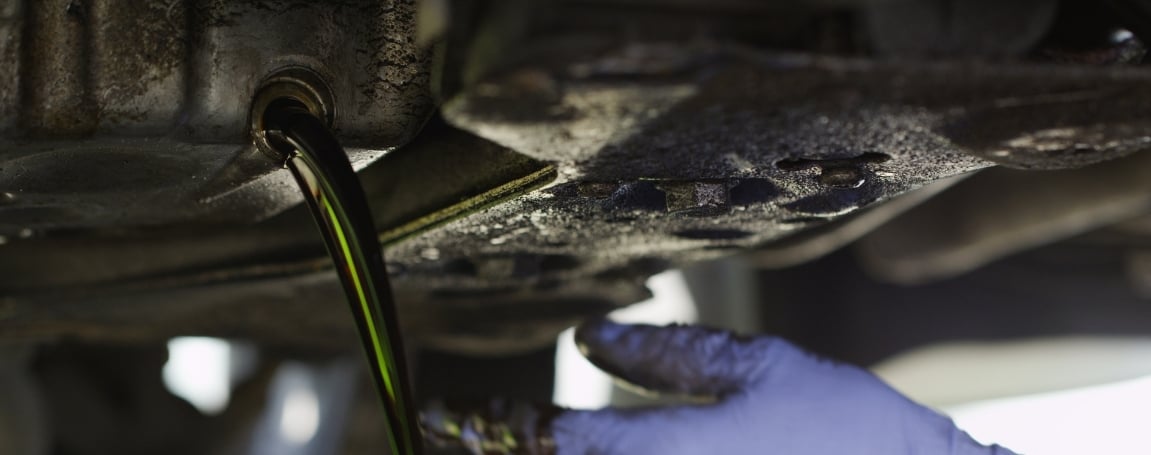
Even if you don’t travel often, oil still degrades with time. Condensation, fuel residues, and temperature changes can all compromise the oil’s protective properties. That’s why many RV experts suggest changing oil at least annually, even if you’ve barely used your motorhome. It’s especially true for rigs that sit idle through long Canadian winters.
A simple rule of thumb: if your RV sits for months without running, the oil likely needs replacing before your next trip. Starting a new season with clean oil ensures your first drive goes smoothly and safely.
The Role of Oil Analysis
For large diesel engines, an oil analysis can take the guesswork out of maintenance. You can send a small sample to a lab to check for metal wear, fuel contamination, or coolant leaks. This analysis reveals how well your oil is performing and whether any engine components may be wearing prematurely. It’s an excellent investment for Class A diesel motorhomes with engines like Cummins or CAT, where oil changes are costly and vital for longevity. By basing oil changes on actual engine health instead of a strict schedule, you can save money while ensuring your RV runs at its best.
Doing the Job Yourself vs. Professional Service
Many RV owners tackle oil changes themselves, especially those with smaller Class B or C models. You’ll need a few essentials, an oil filter, a drain pan large enough for your engine’s capacity, and a safe, level surface. Keep in mind that larger diesel rigs can hold up to of oil, so managing the volume can be challenging.
If you prefer to let professionals handle it, RV dealerships and specialized service centres, like The Hitch House in Oro-Medonte, can ensure your oil change is done correctly and cleanly. Mobile RV mechanics are another convenient option, especially if you’re parked for the season or travelling across the country.
Is Synthetic Oil Worth It?
Synthetic oil has become increasingly popular for RVs, and for good reason. It lasts longer, performs better under extreme temperatures, and resists oxidation during long storage periods. While synthetic oil costs more upfront, it allows longer intervals between oil changes, and provides extra peace of mind for engines that spend a lot of time sitting idle. For most RV owners, synthetic oil is worth the investment, especially if your motorhome only gets used seasonally or travels long distances each trip.
The Risks of Neglecting Oil Changes
Skipping or delaying oil changes might not cause immediate problems, but it can quietly damage your engine over time. Without clean oil, friction increases, sludge builds up, and the engine has to work harder to stay cool. Eventually, this can lead to costly repairs or even complete engine failure, a situation no RVer wants to face mid-trip.
Simply put, keeping up with oil changes is far less expensive than replacing an engine. Regular service not only extends the life of your RV but also keeps fuel efficiency and performance consistent.
Keeping Your RV in Peak Condition
Whether you’re a weekend camper or a full-time traveller, your RV deserves the same care you’d give any vehicle, maybe even more. Changing the oil at the right mileage milestones, checking its condition regularly, and using high-quality synthetic oil are all easy steps that protect your investment.
Keeping the Adventure Rolling
At The Hitch House in Oro-Medonte, ON, we know that reliable performance starts with proper maintenance. From routine oil changes to full service checks, our team is here to help you stay road-ready year-round. Schedule your RV service today and keep your adventures running smoothly for many kilometres to come.